Table of Contents
- Döner Meat Prices: What Does a Spit Cost?
- Döner Spit Price by Weight
- What Influences the Price?
- What Determines Quality?
- Mechanically Separated Meat: What Is Really Inside?
- Halal Certification: More Than Just a Label
- Minced Meat Döner vs. Layered Döner
- Water Loss and Shrinkage: The Hidden Cost Factor
- How Much Meat Do You Get From a Spit?
- Shrinkage Calculation in Practice
- How Much Profit Per Döner? Cost Calculations for Restaurateurs
- Portion Calculation
- What Is the Margin on a Döner?
- Ordering Döner Meat: What to Look for in a Supplier and Delivery
- Cold Chain and Storage
- Delivery Reliability and Planning Security
- Wholesale or Direct Supplier?
If you sell döner every day, you already know: the döner meat you buy determines both the quality on the plate and the profit in the register. But when buying döner meat, there is far more to consider than just the price per kilogram. Water loss, grilling shrinkage, and unreliable suppliers can significantly eat into a döner shop's margins. This guide covers what really matters when it comes to quality, pricing, and choosing the right supplier.
Döner Meat Prices: What Does a Spit Cost?
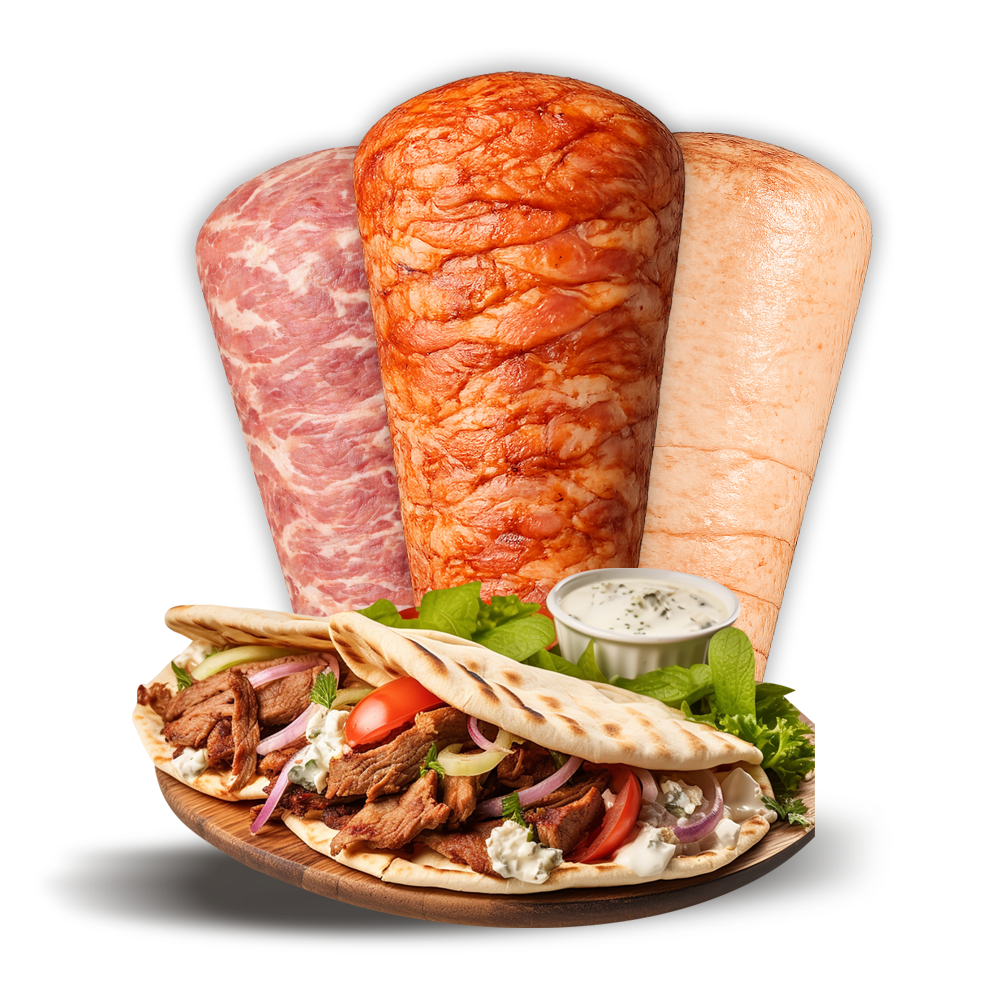
The price of a döner spit varies considerably depending on weight, meat composition, and quality. Here is a general overview.
Döner Spit Price by Weight
A 10 kg döner spit costs between 45 and 70 euros depending on the supplier, which works out to approximately 4.50 to 7.00 euros per kilogram. A 30 kg spit falls accordingly between 135 and 210 euros. This wide price range reflects genuine quality differences, not just brand premiums.
What Influences the Price?
Three key factors determine the purchase price:
Meat content and quality: Products with a higher proportion of beef from controlled farming cost more, but they also yield more usable meat after grilling.
Certifications: Halal-certified products with accredited documentation are more expensive to produce. Cheap products without verifiable certification put not only your customers' trust at risk, but also your operating licence.
Processing method: Minced meat spits are generally cheaper than layered döner, where real slices of meat are stacked on top of one another.
What Determines Quality?
Not every döner spit is the same, even if it looks identical at first glance. Quality differences only become apparent during grilling and on the plate.
Mechanically Separated Meat: What Is Really Inside?
One of the most common questions when buying döner meat is: is döner meat made from mechanically separated meat? Mechanically separated meat (MSM) is produced by pressing meat residues off bones using industrial machinery. It is cost-effective but has a noticeably poorer texture and a higher water content. High-quality döner spits consist exclusively of real muscle meat with no MSM content. Always check for this information explicitly in the ingredients list before purchasing.
Halal Certification: More Than Just a Label
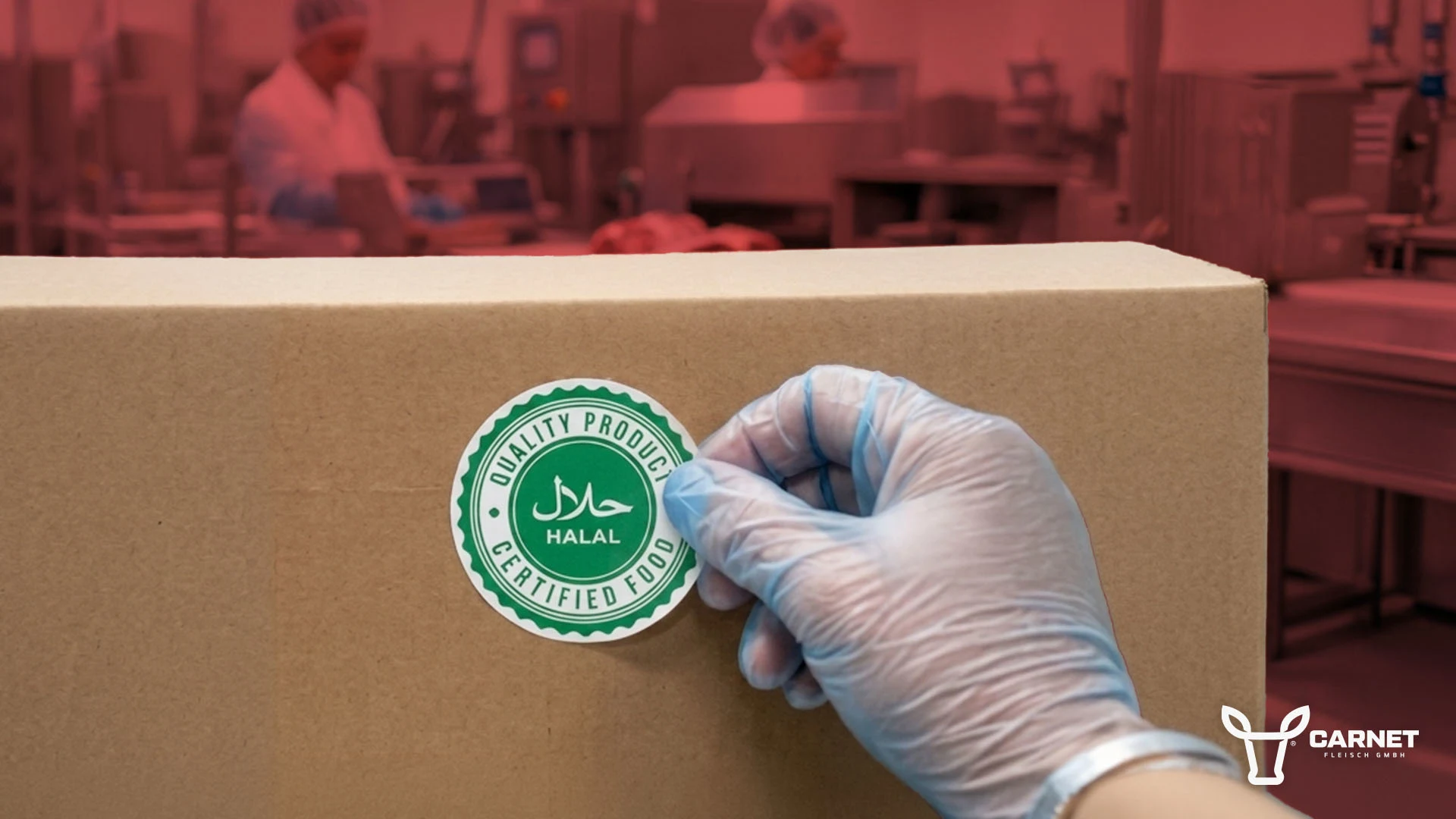
For döner restaurants serving Muslim customers, halal certification is not optional; it is a requirement. However, not every halal label carries the same weight. What matters is whether the certification was issued by an accredited institution and whether the entire production chain, from slaughter to delivery, is fully documented. The SMIIC (Standards and Metrology Institute for Islamic Countries) sets internationally recognised halal standards that reputable certification bodies follow. A credible certificate protects you legally and strengthens the trust of your regular customers.
Minced Meat Döner vs. Layered Döner
With minced meat döner, seasoned ground meat is pressed into a spit shape. With layered döner, real slices of meat are stacked on top of each other, resulting in a more authentic texture and a better appearance when sliced. For quality-conscious restaurateurs who want to differentiate themselves, layered döner is the superior choice.
Water Loss and Shrinkage: The Hidden Cost Factor
Many restaurant owners compare döner spits based solely on the purchase price per kilogram. This is a costly mistake. What matters is not what you buy, but what remains after grilling.
How Much Meat Do You Get From a Spit?
A low-quality döner spit can lose up to 25 to 30 percent of its weight during grilling through water loss and fat dripping. That means from a 30 kg spit, only 21 to 22 kg of usable meat remains. With a high-quality product with minimal water loss, shrinkage stays below 10 percent. The difference may sound small, but it adds up to several hundred euros over the course of a month.
Shrinkage Calculation in Practice
A practical example: you buy a 30 kg spit for 150 euros. With 25 percent shrinkage, you are left with 22.5 kg of meat at an effective cost of 6.67 euros per kilogram. Buy a spit for 180 euros with only 8 percent shrinkage and you get 27.6 kg of usable meat at an effective cost of 6.52 euros per kilogram. The more expensive product is actually cheaper in practice. Every restaurateur should run this calculation for their own purchasing decisions at least once.
How Much Profit Per Döner? Cost Calculations for Restaurateurs
Margins in the döner business depend on a few but critical factors. The most important is the effective meat usage per portion.
Portion Calculation
From a 30 kg spit with 8 percent shrinkage, approximately 27.6 kg of usable meat is obtained. With an average portion of 180 to 200 grams of meat per döner, this yields around 138 to 153 portions per spit. At a selling price of 7.50 euros per döner, that amounts to roughly 1,035 to 1,148 euros in revenue per spit. Meat costs account for 15 to 20 percent of revenue depending on the purchase price; the remainder covers ingredients, staff, and rent.
What Is the Margin on a Döner?
A well-run döner shop achieves a food margin of 70 to 80 percent on meat usage. Someone who saves 10 euros on meat purchases will often lose twice that amount through shrinkage and complaints when choosing the wrong product. Quality in purchasing is therefore not a cost item, but an investment in your margin.
Ordering Döner Meat: What to Look for in a Supplier and Delivery
When looking to order döner meat, price should not be the only consideration. The best spit is worthless if delivery is unreliable or the cold chain is interrupted. For restaurateurs, delivery conditions are just as important as product characteristics.
Cold Chain and Storage
Döner spits must be stored and transported continuously at minus 18 degrees Celsius. Interruptions to the cold chain lead to quality loss and can have consequences under food safety regulations. When choosing a supplier, verify that uninterrupted temperature monitoring from the production facility through to delivery is guaranteed.
Delivery Reliability and Planning Security
A döner shop that runs out of meat in the middle of the lunch rush loses not only revenue but also loyal customers. Anyone ordering döner meat on a regular basis needs a supplier that guarantees fixed delivery dates, accommodates short-notice orders, and communicates proactively when issues arise. References from other restaurateurs and clear contractual terms are important selection criteria.
Wholesale or Direct Supplier?
Buying through a döner meat wholesaler often means lower prices per kilogram, but less control over origin, certifications, and product quality. A direct supplier, on the other hand, offers full transparency over ingredients and production conditions, as well as a direct point of contact for quality concerns. Anyone buying through a wholesaler should at minimum insist on complete halal documentation and verifiable cold chain records. For restaurateurs who depend on quality and halal compliance, sourcing directly from a specialist producer such as CarnEt Fleisch is the recommended approach.
A 10 kg döner spit costs between 45 and 70 euros depending on quality and supplier. Cheaper products often have a higher water content and greater shrinkage during grilling, meaning the effective cost per kilogram is frequently higher than the list price suggests.
Not necessarily, but often yes in cheaper products. Mechanically separated meat is residual meat pressed off bones by machine; it has poor texture and high water content. High-quality döner spits consist exclusively of real muscle meat. Always check the ingredients list from your supplier.
For a standard restaurant döner, approximately 180 to 200 grams of raw meat is calculated per portion. After grilling and accounting for shrinkage, the ready-to-serve portion amounts to 130 to 160 grams.
A cut döner spit should not stand at room temperature for more than 2 to 3 hours after grilling. With correct refrigeration below 4 degrees Celsius, the spit can be stored overnight and used the following day; standard food safety regulations applicable to food service establishments apply throughout.

CarnEt Fleisch Editorial Team
Prepared by the CarnEt content team, specializing in halal meat production, European food legislation and supply chain management.